
Kloud Intergalactic
>Autonomous space, for earth>One kloud. Every Orbit. Any mission
suite 1
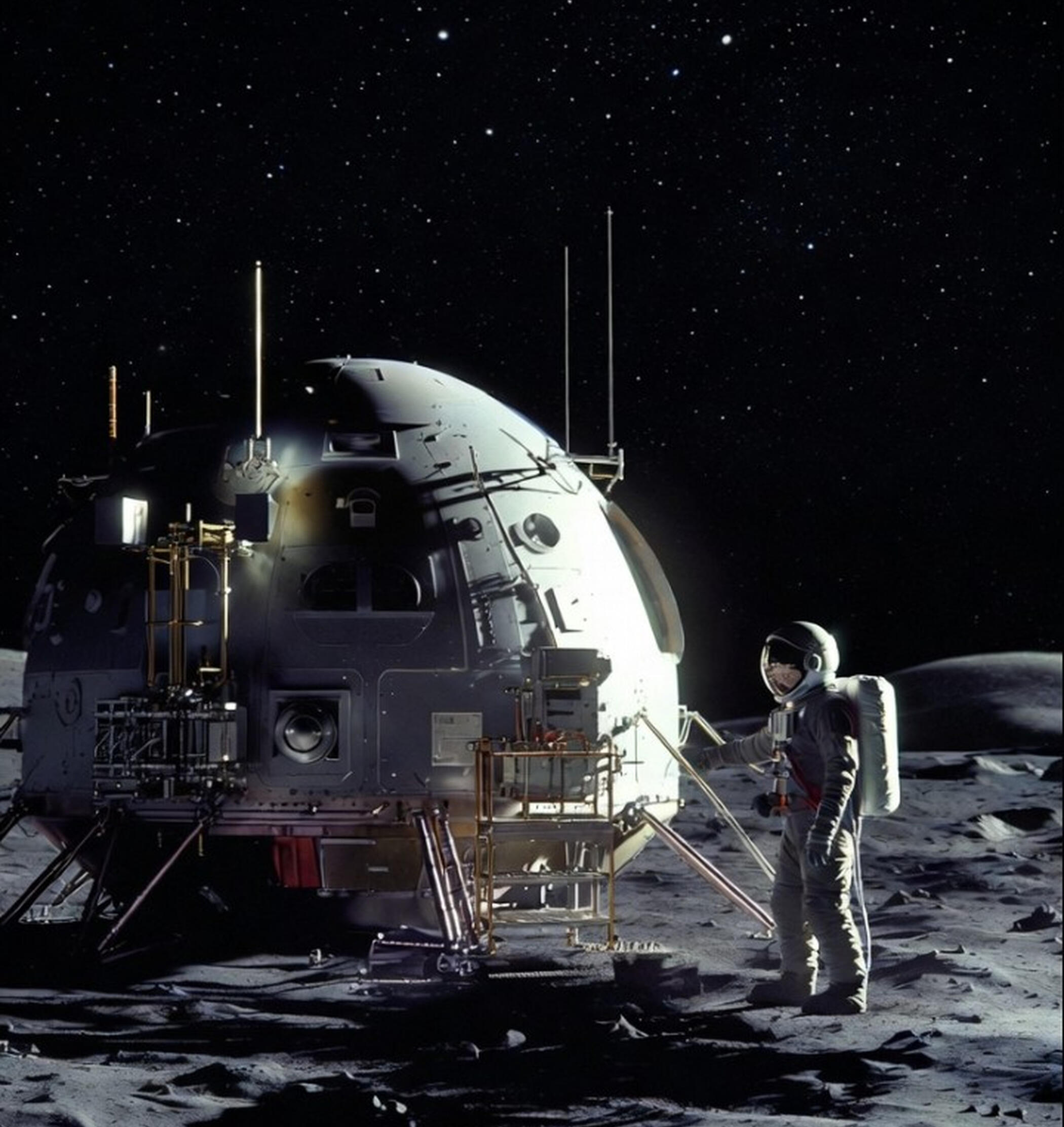
>kloud simulate
Stop wasting 6–12 months hand-scripting GMAT. Plan and de-risk entire missions in minutes.
suite 2
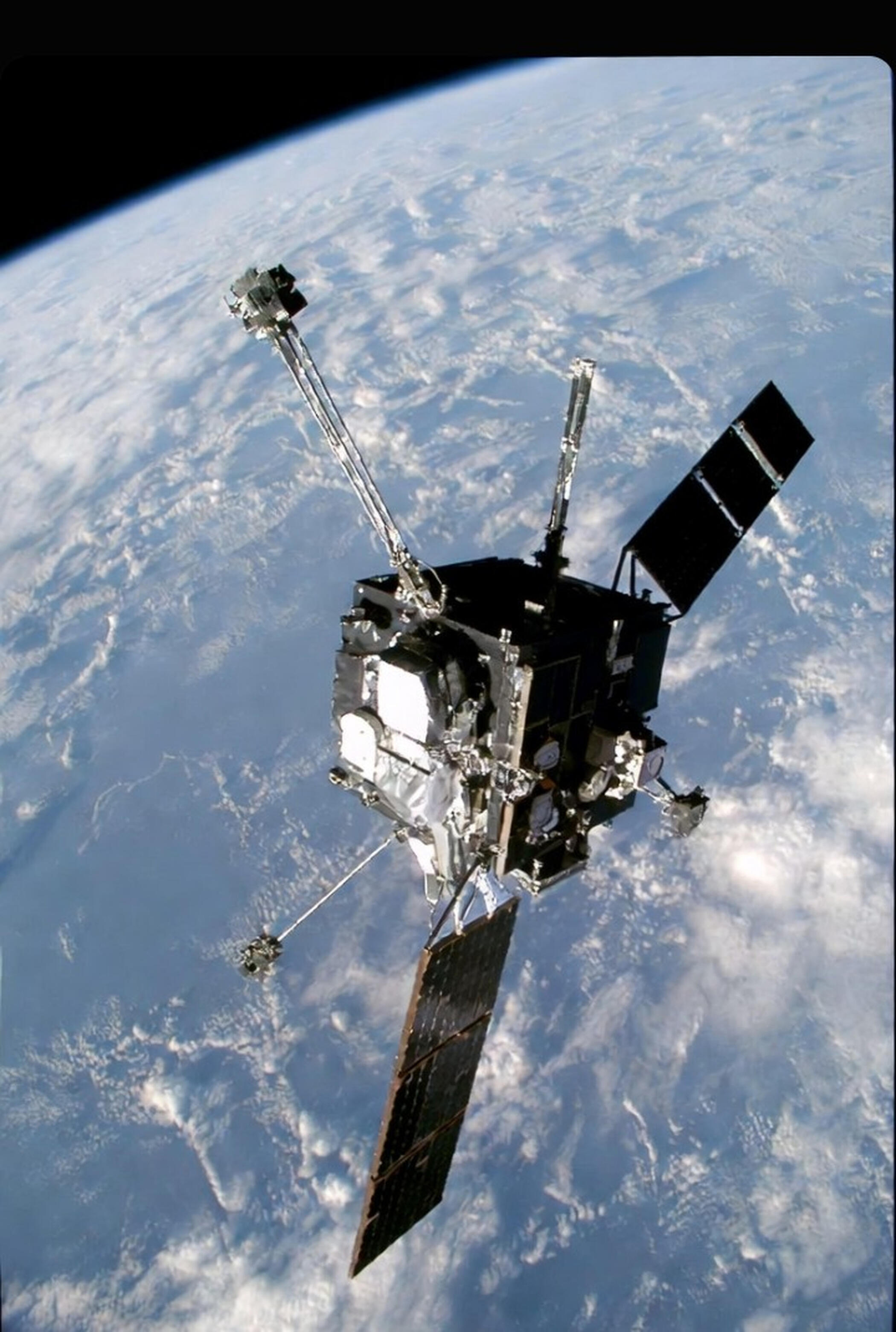
>kloud detect
End “dumb” satellites. Real-time anomaly detection that actually fits on a CubeSat and costs under $50 k.
suite 3
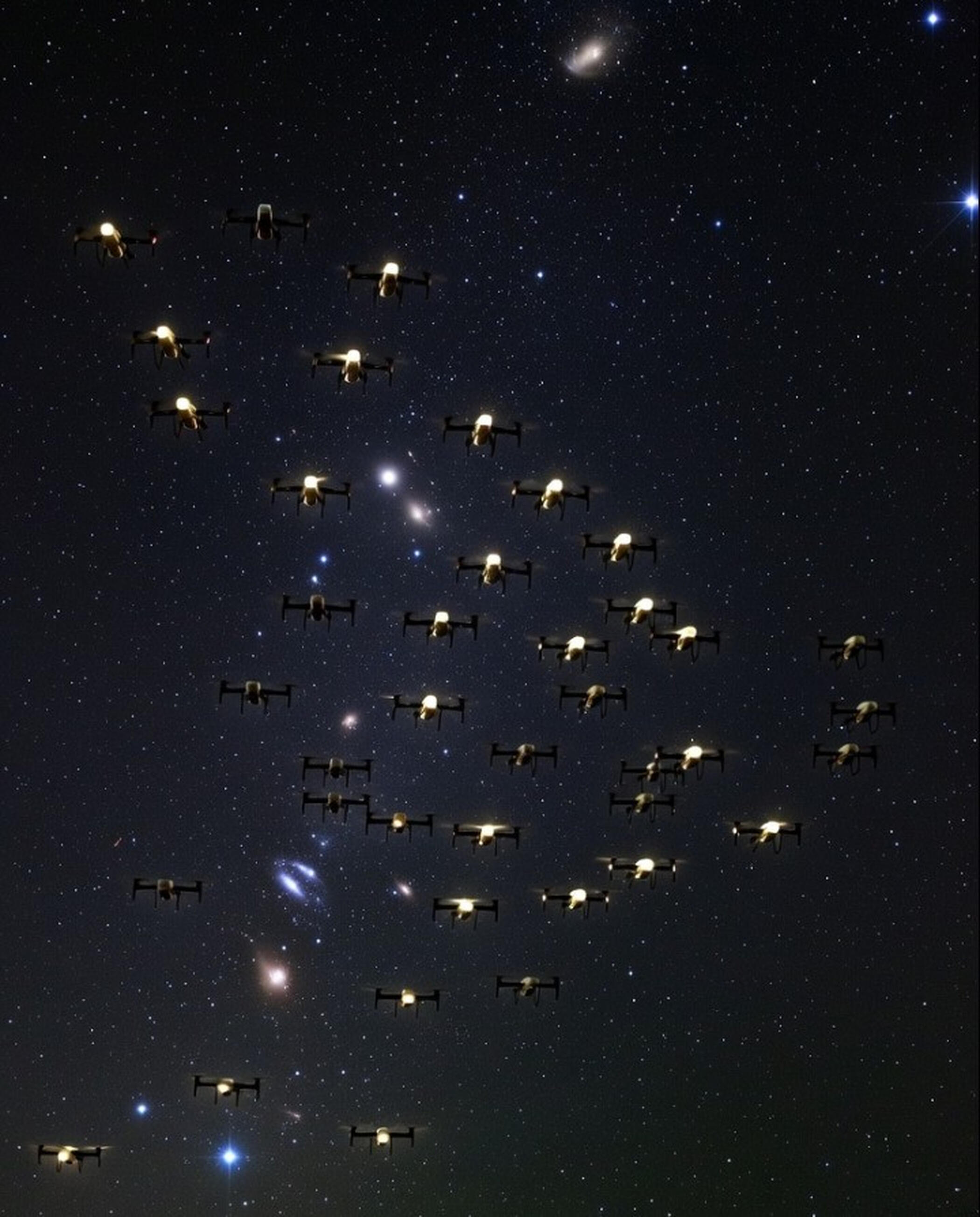
>kloud navigate
GPS gone? Comms jammed? Your constellation stays alive and coordinated anyway.
We have a lift off!!!
All three run on the same lightweight, radiation-aware core.plan → survive → adapt
This framework outlines a phased approach to autonomous system development, structured around evidence-first validation, constrained field testing, and institutional readiness.Each phase functions as a reviewable gate: architecture precedes simulation, simulation precedes field validation, and deployment readiness is earned through compliance and operational alignment.The emphasis is not speed, but durability: ensuring that autonomous systems are stress-tested, auditable, and responsibly deployable.
Current release focuses on simulation-validated architectures and early prototype modules; flight validation will follow phased partner programs
Information provided is for technical and informational purposes only
Frequently Asked Questions
What is Kloud Intergalactic?Kloud Intergalactic is developing a radiation-aware autonomy software stack for small spacecraft operating beyond continuous ground contact. The platform focuses on mission simulation, onboard anomaly detection, and autonomous navigation for SmallSat and CubeSat missions aligned with cislunar and deep-space operations.Is this flight-proven software?No. Kloud Intergalactic is currently in the early development and feasibility stage. The architecture and technical approach are defined, with simulation and hardware validation planned as part of upcoming development phases. Initial KloudCore validation targets widely adopted, developer-accessible edge GPUs to accelerate verification and fault characterization. Hardware abstraction layers are designed to enable migration to lower-power SoCs such as Qualcomm Snapdragon-class processors during Phase II and beyond.What problem does Kloud solve?Many small satellite missions rely heavily on ground operations or fly with limited onboard autonomy due to cost, power, and reliability constraints. Kloud is designed to enable bounded, explainable autonomy directly onboard spacecraft, improving resilience during communication delays, blackouts, and fault conditions.What types of missions is this intended for?Kloud is intended for:* CubeSats and SmallSats
* Technology demonstrations
* University and research missions
* Artemis-adjacent cislunar and lunar-support missions
* Missions operating with intermittent or delayed communicationsThe same autonomy and anomaly-detection capabilities can also support Earth-observation missions serving scientific, environmental, agricultural, and humanitarian objectives, such as wildfire monitoring, crop monitoring or deforestation detection, when those missions face similar constraints in power, bandwidth, and operational staffing.What hardware platforms are supported?The software is being designed for COTS-based space-capable platforms, including Jetson-class embedded GPUs, vision accelerators, and FPGA-assisted systems commonly used in CubeSat avionics. Final platform support will be informed by beta partner needs.What does “radiation-aware” mean in this context?Radiation-aware refers to software-level mitigation strategies for space radiation effects, including fault detection, execution monitoring, redundancy, and bounded decision-making. This is not a claim of radiation-hardened hardware.What are you looking for in beta partners?We are seeking early partners who are willing to:* Share non-sensitive spacecraft telemetry or mission scenarios
* Provide operational feedback
* Collaborate on defining real-world autonomy requirementsThis collaboration helps ensure the system addresses actual mission pain points.Is telemetry shared publicly?No. Any telemetry shared with Kloud Intergalactic will be handled under partner agreements and used solely for development, testing, and validation purposes.How does this relate to NASA Artemis?Kloud’s design philosophy aligns with Artemis objectives by supporting autonomous operations, reducing ground burden, and enabling resilient spacecraft behavior in cislunar environments. The technology is being developed with future NASA collaboration pathways in mind.Is this an open-source project?Kloud follows an open-core philosophy. Certain foundational components may be released openly, while mission-specific or safety-critical extensions may remain proprietary. KloudCore development leverages cloud-based training and validation infrastructure to accelerate model iteration, while all mission-critical inference executes locally on radiation-constrained edge hardware. No operational dependency on cloud connectivity exists during flightHow can I become a beta partner?You can express interest by contacting us through the site. We will follow up to understand your mission profile, constraints, and potential collaboration fit.Kloud Intergalactic’s development priorities remain centered on spaceflight autonomy; Earth-observation applications are pursued where they align with these core technical objectives.
The story of kloud
> Why Kloud Intergalactic ExistsKloud Intergalactic was formed in response to a growing gap between mission ambition and onboard autonomy. As small satellites move into more demanding orbits — cislunar space, distributed constellations, and communications-constrained environments — continuous ground control becomes increasingly impractical.Yet many spacecraft still rely on ground-heavy operations or proprietary autonomy systems that are costly, power-intensive, or unsuitable for small platforms. Kloud was created to explore a different approach: bounded, radiation-aware autonomy that is lightweight enough to run onboard, transparent enough to trust, and resilient enough to operate when Earth is not immediately reachable.Guided by the belief that space systems should not only explore beyond Earth but help safeguard the fragile planet from which they originate. As humanity expands its presence in orbit and beyond, autonomous spacecraft will play an increasing role in monitoring, protecting, and understanding the pale blue dot we all share.
>Why KloudEarth-critical missions don’t get second chances.Wildfires don’t wait for ground contact.
Illegal deforestation doesn’t pause for a downlink window.
Marine incursions don’t respect GPS availability or clean telemetry.Yet most satellites still depend on constant ground control, uninterrupted comms, and ideal conditions.Kloud exists to change that.We build onboard autonomy that allows spacecraft and swarms to:plan → survive → adapt— even when communication is lost, navigation is denied, or the environment becomes hostile.What makes Kloud differentMost space software focuses on analysis after the fact.
Kloud focuses on decision resilience in the moment.Our lightweight autonomy core runs onboard, not in the cloud — enabling satellites to:* Detect anomalies in real time
* Preserve mission integrity through faults and radiation events
* Adapt behavior when links to Earth go darkAll within the constraints of CubeSat-class hardware.Why this matters for EarthThe same autonomy that protects spacecraft also protects the planet.Kloud-enabled systems can:* Flag wildfire signatures without waiting for ground review
* Continue monitoring protected forests during comms outages
* Coordinate swarms for environmental sensing in remote regionsWhen ground latency fails, the mission still operates.Our philosophyInspired by Carl Sagan’s Pale Blue Dot, Kloud is built on a simple belief:> If humanity places machines in orbit, they should be capable of protecting the fragile world that placed them there.We design autonomy not for dominance or speed: but for stewardship, resilience, and trust.Edge autonomy for space+ and for the planet beneath it.